The table is bare. No cloth, no candles, no chalice. A single stone sits in the center, picked up from the river that morning, still cool to the touch. An altar setup for witchcraft practices is the physical anchor of ritual intention: a dedicated surface where the practitioner aligns objects, elements, and symbols to create a contained space for magical work. The arrangement itself is the spell's first gesture.
What an Altar Setup Actually Is
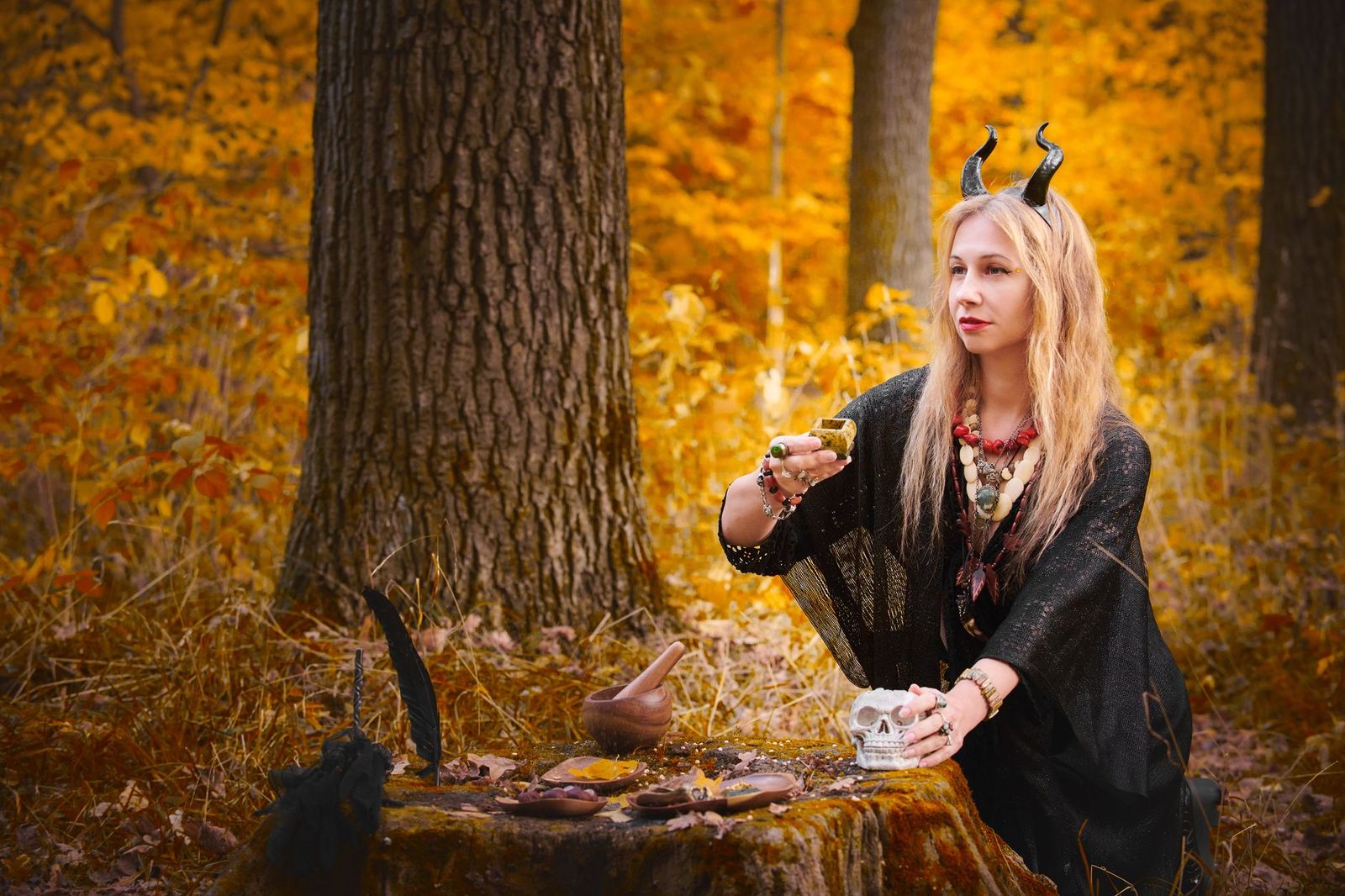
The word "altar" comes from the Latin altare, meaning "a high place for sacrifice." In witchcraft, the altar is not a table. It is a charged field. The setup determines how energy moves through that field: clockwise for building, counterclockwise for releasing, centered for stillness.
A working altar differs from a devotional one. The devotional altar honors a specific entity or ancestor: photographs, offerings, a single candle that never goes out. The working altar is a temporary configuration assembled for a specific operation. Many practitioners maintain both. The distinction matters because the working altar gets dismantled, its tools cleaned and returned to storage. The devotional altar stays.
Where the Altar Tradition Comes From
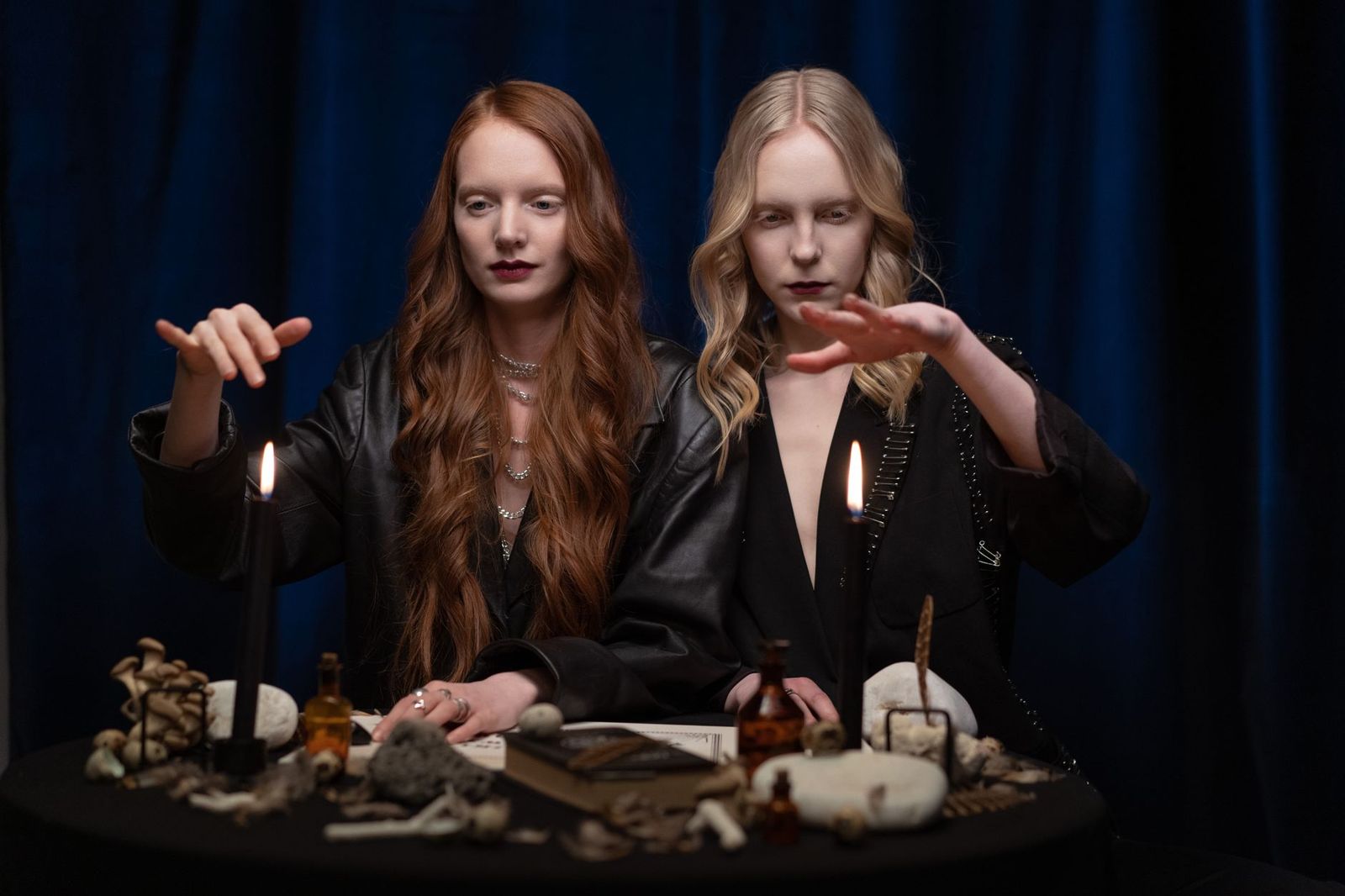
The oldest archaeological evidence of intentional altar construction comes from Göbekli Tepe in modern Turkey, dated to roughly 9600 BCE. Massive T-shaped limestone pillars arranged in circles, carved with animal reliefs. Not a domestic space. A ritual space built before agriculture.
By the Bronze Age, household altars appear across cultures. The lararium in Roman homes held small statues of household gods (the Lares and Penates). Offerings of wine, grain, and incense were made daily. The setup was fixed: a niche in the wall, a small flame, the figurines arranged in a specific order. Disrupting that order was considered an ill omen.
In medieval European folk magic, the "altar" was often the hearth itself. The cunning folk of England and Scotland worked at the kitchen table or the fireplace. The tools were everyday objects repurposed: a kitchen knife for the athame, a cast-iron pot for the cauldron, the family Bible for the grimoire. The setup was pragmatic. The hearth was the center of the home, and the center of the home was the center of the work.
The modern neopagan altar, as a dedicated ritual table with standardized tools, is largely a 20th-century invention. Gerald Gardner's Witchcraft Today (1954) described an altar as "a low table, preferably round, placed in the center of the circle." Gardner drew on ceremonial magic traditions (the Golden Dawn's altar arrangements) and his own claimed lineage. The result was a hybrid: the Wiccan altar with its quarter candles, athame, wand, chalice, and pentacle. That template dominates contemporary witchcraft literature, but it is not universal.
What the Altar Actually Does

The altar is a boundary. It separates ordinary space from ritual space. The setup marks where the practitioner stands relative to the forces they invoke.
In traditional witchcraft (the pre-Gardnerian British folk tradition), the altar is often placed against a wall or in a corner, not in the center of the circle. The practitioner faces the altar. The tools face the practitioner. The arrangement is not symmetrical. It is functional: the candle goes where the draft is weakest, the bowl of salt where it will not be knocked over, the blade where the right hand can reach it without looking.
The altar also serves as a mnemonic device. Each object triggers a specific state of mind. The black mirror for scrying. The bell for opening and closing. The incense burner for purification. The setup is a map of the ritual's sequence. You move through the objects in order. The altar tells you what comes next.
How to Think About Placement

The four cardinal directions carry traditional correspondences in Western occultism, codified in the Key of Solomon (circa 14th century) and later systematized by the Hermetic Order of the Golden Dawn (founded 1888). East for air and new beginnings. South for fire and will. West for water and emotion. North for earth and stability.
The altar itself can face any direction. The practitioner's preference, the nature of the working, and the physical constraints of the room all matter. A spell for protection might face north. A spell for inspiration might face east. A spell for binding might face west. The direction is not decorative. It is the first alignment.
Height matters. A standing altar (waist-high) keeps the practitioner upright and alert. A seated altar (knee-high) encourages meditation and trance work. The traditional Wiccan altar is 18 inches high, allowing the practitioner to kneel. The traditional folk magic altar is the kitchen table, which is standing height. Neither is wrong. They produce different states.
The Objects and Their Logic
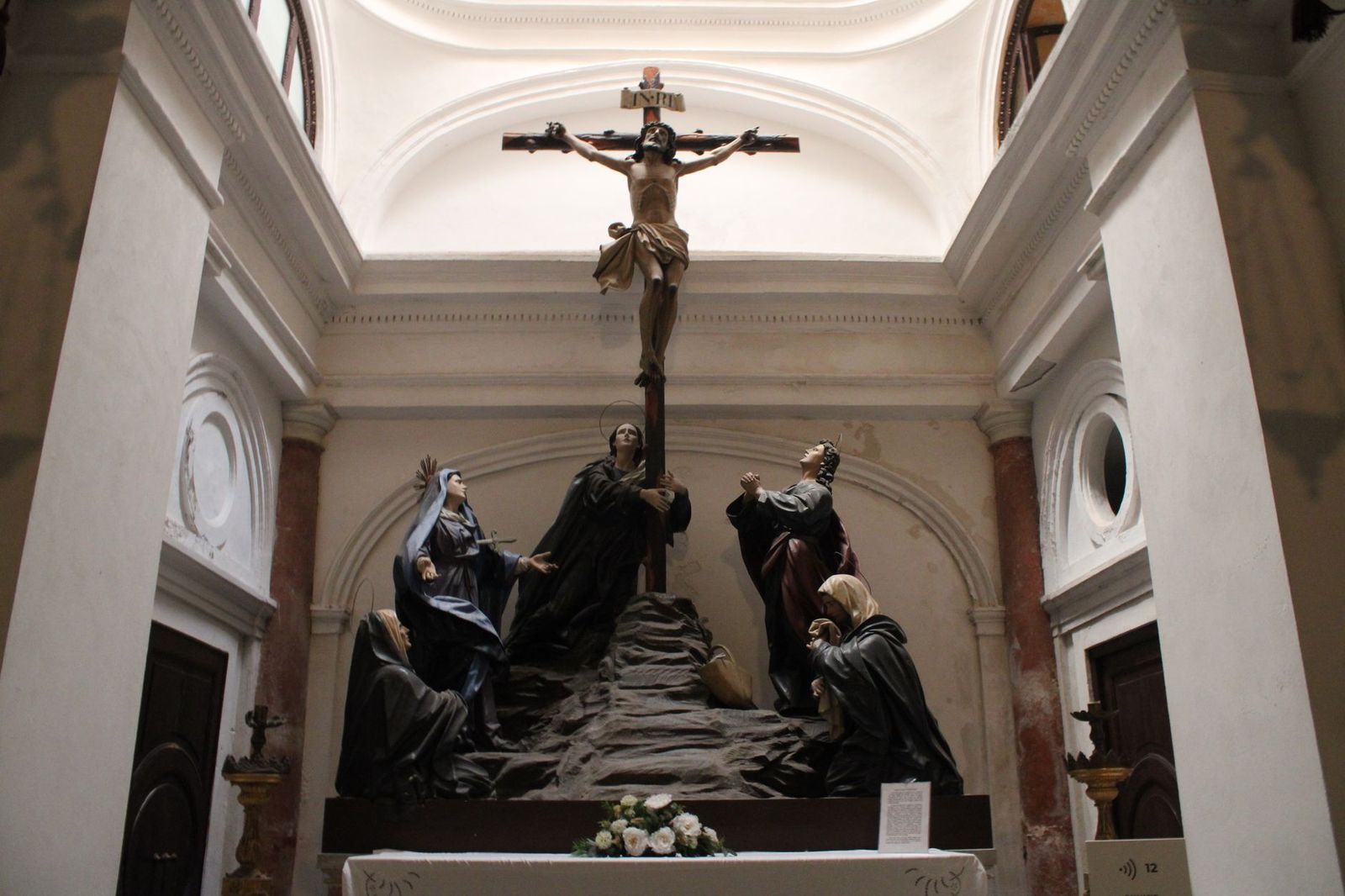
The classic Wiccan altar includes five tools: athame (ritual knife), wand, chalice, pentacle, and candle. Each corresponds to one of the classical elements. The athame is fire (or air, depending on the tradition). The wand is air (or fire). The chalice is water. The pentacle is earth. The candle is spirit, or the element of the working.
But the tools are not the setup. The setup is the relationship between them. In Gardner's original arrangement (described in The Witch's Bible, 1971, by Janet and Stewart Farrar), the pentacle sits at the center. The athame lies to the right. The wand to the left. The chalice in front. The candle behind. That arrangement creates a cross-shaped energy flow.
In traditional witchcraft, the tools are fewer. A single candle, a bowl of water, a stone, and a blade. The setup is asymmetric. The blade points away from the practitioner. The candle is placed so the flame reflects in the water. The stone sits between them. The arrangement is not symbolic in the Golden Dawn sense. It is practical: the blade cuts, the water receives, the stone grounds, the flame transforms.
What Changes Between Traditions

Ceremonial magic uses a double altar: one for the operator and one for the invoked entity. The operator's altar faces east. The entity's altar faces west. The two altars are separated by a triangle of art (a triangle inscribed on the floor where the spirit is expected to appear). The setup is precise. The Greater Key of Solomon specifies the dimensions, the materials, and the consecration process down to the hour of the day.
Hoodoo and rootwork use no formal altar. The practitioner works on a flat surface: a table, a stump, a board laid across two chairs. The "altar" is whatever surface holds the candle, the oil, the photograph, and the petition paper. The setup changes with each working. There is no permanent arrangement.
Heathen and Norse traditions use the hörgr (a stone pile or cairn) outdoors and the stalli (a wooden platform) indoors. The setup includes a bowl for blood offerings (blót) and a ring for oaths. The arrangement is minimal. The focus is on the communal meal that follows the ritual.
Common Misconceptions

The most persistent error is that the altar must be permanent. It does not. A shoebox lid with a tea light and a stone is a valid altar. The setup is not about the objects. It is about the intention that arranges them.
The second error is that the altar must face north. That comes from a specific Wiccan tradition where the practitioner faces north as the direction of earth and stability. It is not universal. In ceremonial magic, the altar faces east. In traditional witchcraft, the altar faces whatever direction the practitioner's home allows.
The third error is that the tools must be consecrated before use. Consecration is a formal process of cleansing and dedicating an object. It is useful but not required. A blade bought at a thrift store, washed with salt water, and dedicated with a single sentence will work. The setup is the consecration.
The fourth error is that the altar must be symmetrical. Symmetry is aesthetically pleasing. It is not magically necessary. An asymmetric setup can be more effective because it forces the practitioner to pay attention to each object individually rather than relying on visual balance.
FAQ
Can I use a digital altar?
A digital image of an altar is a representation, not a working space. The physical arrangement matters because the body interacts with the objects. A screen cannot hold a candle.
Do I need all five Wiccan tools?
No. Many traditions use fewer. Start with a candle and a bowl of water. Add tools as the work requires them.
How often should I clean my altar?
After each working, remove the spent objects (ash, melted wax, offerings). Wipe the surface. Leave the permanent objects in place. A full cleansing with salt water or smoke is done monthly or when the energy feels stagnant.
Can I share my altar with a partner?
Yes, but the setup must accommodate two practitioners. Place the tools so both can reach them without crossing arms. A round altar works better than a rectangle for shared work.
The altar is not furniture. It is a machine for attention. The setup determines what the practitioner notices, what they reach for, and what they leave behind. A well-set altar disappears. The practitioner stops seeing the table and starts seeing the work. That is the point.
For a deeper look at the tools themselves, see our guide to witchcraft tools. The specific symbolism of the pentacle and its placement on the altar is covered in the glossary. For the full sequence of ritual preparation, read how to consecrate your working space.